How to Contest a Will in Virginia
Learn how to contest a will in Virginia, what grounds and evidence may matter, who can act, and what practical steps to take before probate deadlines pass.
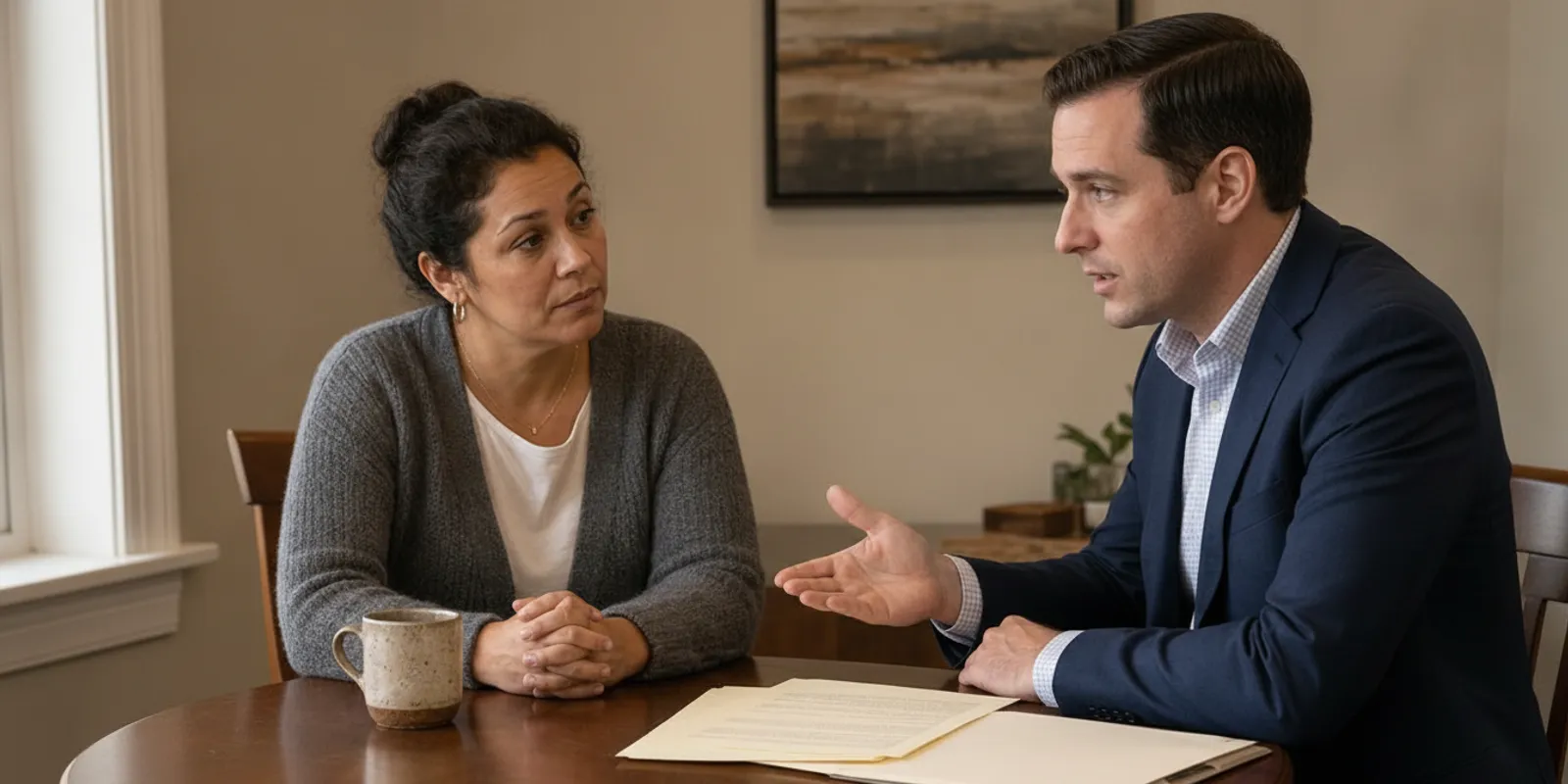
If you are trying to understand how to contest a will in Virginia, begin by separating a legal concern from the pain of an unexpected inheritance decision. A contest asks a court to decide whether a will is legally valid or should be accepted in the estate proceeding. It is not simply a request to change a distribution that seems unfair. The person bringing a challenge, the facts around the will, and the procedural posture all matter.
Request a free initial consultation
What does contesting a will mean?
A will contest is a legal challenge to a document offered as the deceased person's will. Depending on the facts and the applicable procedure, the dispute may concern whether the document was properly made, whether the person had the required understanding when signing, whether another person improperly overpowered the person's independent choice, or whether the document was affected by fraud or a later instrument.
A challenge does not automatically mean the court will reject the will. The court considers the relevant evidence and legal rules. If a challenge succeeds, the result may affect which will governs or how the estate is handled. The practical outcome depends on the documents, the person's property and family circumstances, and the court's decision. No particular result can be assumed just because a family member has a concern.
It is also important to distinguish a will contest from other estate disagreements. A dispute about how an executor is administering property, how a trust is being handled, or how a non-probate account passes may involve different procedures and issues. The first useful task is to identify the actual document or decision you want reviewed. For background on planning documents and related services, see the firm's Virginia estate-planning guidance; a dispute about an existing will needs a separate, fact-specific assessment.
Who may have a legal interest in challenging a will?
Being upset by a will does not by itself give someone the right to contest it. A potential contestant generally needs an interest that could be affected if the challenged document is not accepted. The details can depend on family relationships, earlier wills, the terms of the current document, and the applicable inheritance rules. A lawyer needs to review those facts before reaching a conclusion about whether a particular person may bring a challenge.
One practical way to frame the question is to compare several possible outcomes. What does the current will provide? Is there an earlier signed will that may be relevant? What might happen if no valid will controls? These are not interchangeable scenarios, and an informal draft or a family member's recollection may not establish what the law would do. Still, a side-by-side comparison can show why your interest might change depending on the court's decision.
For example, suppose a person is named in an earlier will but omitted from a later document. That difference may be relevant to whether the earlier document could affect the person's interest, but it does not establish that the later will is invalid or that the person can prove a claim. Another relative may be affected differently. A person named as executor may have responsibilities related to presenting or administering the estate, but that role does not automatically resolve every issue about a will's validity.
Write down your relationship to the person who died, any relevant provisions you know about, and how the possible outcomes might affect you. Mark uncertain information as uncertain. Avoid presenting an expectation of inheritance as a legal conclusion. The firm's Virginia wills information can help orient you to planning documents, but eligibility to contest an existing will depends on the specific matter.
What grounds may support a will contest?
A viable challenge must connect facts to a legally relevant issue. General suspicion, a family falling-out, or a distribution that feels unequal may explain why someone wants answers, but those circumstances alone do not show that a will is invalid. Common topics for investigation include execution, testamentary capacity, undue influence, fraud, authenticity, and whether another valid document changed the plan. Each issue has different proof questions.
Was the will executed in a legally valid way?
A will's signing and witnessing history may matter. Questions might concern the original document, signatures, witnesses, the way the signing was arranged, or an affidavit attached to the will. A concern about a missing page or an unusual-looking signature deserves careful review, but it is not a finding of invalidity on its own. The complete document and its history should be considered, not just a photograph or a short description of one page.
Preserve the original if you have lawful access to it. Do not write on it, remove staples, add notes, or attempt to repair it. Keep copies of any envelope, affidavit, correspondence, or other papers that arrived with it. Note who gave you each item and when. A lawyer can help identify what questions the available record raises and what additional information could be useful.
Did the person have testamentary capacity at the relevant time?
Capacity concerns the person's understanding when the will was made, not simply a general label about their health. Relevant questions may include whether the person understood they were making a will, had a general understanding of the property involved, and could recognize the people who might naturally be considered in making a distribution. The actual legal analysis is fact-sensitive, and a lawyer should assess the applicable standard.
A diagnosis, advanced age, memory difficulty, or a later period of illness does not automatically prove incapacity at the time of signing. Conversely, a person can appear conversational in one setting while there are meaningful questions about a particular decision. The timing of observations matters. Identify what was happening near the date of execution rather than relying only on a broad description such as “confused for years.”
Potentially relevant material may include records from the period, observations by people who interacted with the person, communications about the planned document, and information about the signing meeting. Access to medical records may be restricted, and not every record will be relevant or available. Do not seek private information by logging into another person's accounts or taking records without authority. Ask counsel how relevant information may be requested and used appropriately.
Was there undue influence?
Undue influence generally concerns improper pressure that overcomes the person's independent decision and causes the will to reflect someone else's wishes. The focus is not whether a beneficiary had a close relationship with the person or helped with ordinary tasks. People often rely on relatives, friends, or caregivers for transportation, appointments, and day-to-day support. Those facts alone do not establish wrongful pressure.
Context may matter when several circumstances appear together. Who arranged the estate-planning appointment? Who communicated with the drafter? Did the person have a chance to speak independently? Did someone control access to the person or the information they received? Did a significant change occur during a period of dependence or isolation? Was the beneficiary involved in preparing or explaining the document? These questions identify avenues for investigation; they do not prove the answer.
Record concrete events with dates, participants, and the source of your information. “My sibling controlled everything” is a conclusion; “on a certain date, I was told I could not speak to the person alone” is a specific account that can be assessed. Distinguish what you observed from what another person reported. A pattern may be relevant, but a complete view should also consider reasonable explanations and facts that do not support the suspicion.
Could fraud, mistake, forgery, or a later will be involved?
Fraud concerns a possible deception connected to the will or the person's decision. A dispute may also involve a question about whether a signature is genuine, whether the person understood what a document contained, or whether a later valid will or amendment changed an earlier plan. The precise issue matters: a document's date, wording, signature, and execution history may each raise different questions.
Gather the versions you can lawfully obtain, including signed documents and any amendments. Keep drafts and informal notes separate from executed papers. A draft can provide context about discussions, but it is not necessarily a valid will. Do not assume that a newer-looking document revoked an older one or that a copy has the same legal effect as an original. Those conclusions require review of the documents and circumstances.
How do possible grounds and evidence compare?
| Issue to investigate | Question to explore | Examples of material to preserve |
|---|---|---|
| Execution | Was the will signed and witnessed in the required manner? | Original document, attached affidavit, witness names, signing-related correspondence |
| Capacity | What did the person understand when the will was made? | Time-specific observations, relevant records, appointment notes, communications |
| Undue influence | Was improper pressure used to replace the person's independent choice? | Messages, access or appointment history, witness accounts, event chronology |
| Fraud or authenticity | Was the person deceived, or is authorship or signature disputed? | Originals, document history, communications, information about signing |
| Later instrument | Did another signed document change the plan? | Earlier and later wills or amendments, storage history, related correspondence |
The table is an organizing aid, not a test that proves a claim. One document may relate to several issues, and the same event may have more than one explanation. Keep evidence in its original form where possible, and avoid editing messages or recordings. Make a separate note explaining why you believe an item matters rather than marking up the item itself.
How might a single event fit more than one issue?
Imagine a will that leaves a larger share to the relative who arranged the signing appointment. That fact might prompt questions about who communicated with the person preparing the will, but it does not establish undue influence. It could also be relevant to the timeline or the execution process. The explanation might be ordinary assistance, a choice the person had discussed over time, or something that calls for closer examination. The point is to gather enough context to evaluate competing explanations rather than treating one fact as proof.
Similarly, a medical record dated near the signing may help establish the person's condition, but it may not answer what the person understood during the particular meeting. A witness who recalls a clear conversation may offer useful context, but that recollection should be compared with other evidence and the witness's opportunity to observe. The legal significance of a fact depends on its relationship to the relevant question, not simply on how dramatic it sounds.
This is why broad labels are a poor substitute for a factual account. Instead of writing “the will was forged,” note what makes you question the signature, when you first saw the original, who had access to it, and whether you have a comparison sample or a witness to the signing. Do not try to reach a technical handwriting conclusion yourself. Preserve the material and let counsel decide whether further investigation is appropriate.
Why does probate status and timing matter?
Probate is the process by which a will may be presented and an estate administered under the applicable rules. Timing can affect the procedure available, the people who receive notice, and the steps a person must take to preserve an objection. It is risky to assume that a general deadline found online applies to every will dispute. The relevant period may depend on the status of the estate, the kind of proceeding, notice, and the person's role.
When you learn that a will may be filed or admitted, promptly write down the date you learned about it, the date on any notice, the court or probate office identified, and any case or estate reference shown on the papers. Preserve the envelope and all attachments. If a family member tells you that a filing happened, record who said so and ask for the document or official information rather than relying on a verbal summary.
Virginia's official legal information is available through the Virginia Legislative Information System. Statutory materials are useful background, but identifying a statute does not by itself determine which procedure or deadline applies to an individual dispute. Have a Virginia lawyer review the current filing status and documents promptly, especially if you have received notice or believe a deadline may be near.
Do not wait until every relative agrees that there is a problem before asking about procedure. At the same time, do not rush to file based only on a suspicion or an internet summary. A timely legal review can help clarify what information is needed, what steps may be available, and what risks may arise if a challenge is pursued.
What information helps confirm the estate's status?
Start with the paperwork already sent to you. Look for the name of the person handling the estate, the court or probate office named, filing dates, any case or estate reference, and instructions or deadlines included in a notice. If a document names an executor, record the name as it appears rather than relying on a family nickname. Keep the original envelope because a postmark or delivery date may help explain when you received it.
If you have no paperwork, write down what you know and the person who provided each detail. Ask for a copy of the document or a reliable source for the information. Do not assume that a relative's statement that “probate is finished” means the will cannot be challenged, or that a statement that “nothing has been filed” proves no action has occurred. A lawyer can help check the status and identify which procedure applies.
Keep this first inquiry focused. You do not need to collect every family record before seeking guidance. The immediate purpose is to identify whether there is a time-sensitive step and what documents will let counsel assess it. If a notice gives a date, point that out when requesting an appointment rather than burying it in a long narrative.
What should you gather before speaking with a lawyer?
You do not need to prove the entire case before seeking advice. A concise, organized set of records can make the first discussion more useful. Start with what you already possess or can obtain with permission. Do not enter a private account, remove documents from a home or office without authority, or pressure someone to provide records. Keep the source of each item clear.
- Every will or amendment you know about: Note whether each item is an original, copy, draft, or family recollection. Include dates and where the item is stored, if known.
- Probate and court papers: Collect notices, filings, letters from an executor or estate representative, and envelopes showing when documents arrived.
- A relationship and interest summary: Identify your relationship to the person and any known earlier will or provision that may affect your interest.
- A factual timeline: List the will's known dates, important health or relationship changes, estate-planning appointments, and the dates you learned about events.
- Communications: Preserve relevant emails, letters, texts, and appointment messages in the form in which you received them. Avoid trimming context from a screenshot.
- Potential witnesses: List people who were present at execution, discussed planning with the person, or observed relevant events. Write what each person may know without coaching them.
- Estate-planning background: Note whether the person had a prior will, trust, or other planning papers. Do not assume that every document controls the same assets.
- Your questions and goals: Explain what you hope to accomplish, such as learning whether a document can be challenged or understanding the process. A hoped-for result is not a prediction of what a court will order.
Build the chronology in two columns if that helps: the event and the source. For example, write “I attended the appointment on \[date]” for a firsthand observation, and “My cousin told me the appointment occurred in March” for secondhand information. Use “about” or “estimate” when you are unsure of a date. A lawyer can then see which points are established and which need confirmation.
Do not contact a potential witness with a script or ask them to change a recollection. You can make a list of people and what you believe they may know. Let counsel advise whether and how to approach them. Likewise, do not post allegations on social media or circulate sensitive medical information. Public accusations can harm relationships and complicate an already difficult dispute.
How can you keep an evidence log?
A simple log can prevent a pile of papers from becoming harder to understand. Give each item a short label, such as “notice dated May 4” or “email about appointment,” and record when you received it, who provided it, whether it is an original or copy, and where the original is kept. Add one sentence about the question it may relate to, but separate that observation from the document itself.
For electronic material, preserve the complete message or file when possible, including the sender, recipient, date, and surrounding conversation. A cropped image may omit context that later matters. Do not alter a file to make it easier to read or remove a portion that seems irrelevant. If you make a working copy, retain the untouched version too. Record any gaps honestly: for example, “I was told a text exists but have not seen it.”
Keep the log factual and secure. Avoid including speculation about what a person “must have meant.” You can note a concern separately and identify it as your interpretation. Do not share private documents broadly with relatives or post them online. If you are unsure whether you may keep or copy a particular record, ask before taking it. A clear chain of where the information came from helps counsel assess reliability and decide what may need verification.
What steps can you take to evaluate a possible contest?
- Confirm what has happened. Find out whether a will has been presented, whether any probate steps have taken place, and which office or court is identified in the papers. Keep copies of notices and note dates.
- Identify the document at issue. Determine whether your concern is about a signed will, an amendment, an earlier version, or a separate estate asset. Do not treat a draft as equivalent to a signed document.
- Explain your possible interest. Map what the current will says, what a prior document may say, and what you believe could happen if the challenged will is not accepted. Ask counsel to assess whether you have a legal interest.
- Describe the strongest specific facts. Choose concrete events related to execution, capacity, pressure, fraud, authenticity, or a later document. Separate direct knowledge from assumptions or reports.
- Preserve information safely. Keep originals intact, save communications, and make copies where appropriate. Do not access information without permission or destroy material that may be relevant.
- Ask promptly about procedure. Bring any notice or filing information and ask which deadline and process apply to your situation. Do not rely on an informal promise that a deadline will be extended.
- Discuss options and consequences. Ask about possible next steps, what additional proof would be needed, likely stages, costs, risks, and whether any non-court option is appropriate.
These steps are a preparation framework, not a substitute for legal advice or a promise that a contest is available. Each estate has its own documents, timing, and family circumstances. For general information about other matters the firm handles, visit its Hampton Roads office and service-area information or the Virginia Beach location page.
What outcomes and choices should you discuss?
A will dispute is not always an all-or-nothing argument about whether one relative should receive property. Depending on the issue and procedure, a dispute may focus on whether a document is valid, which document should be considered, or whether a particular portion or event requires review. Do not assume a court can simply substitute the distribution you believe would be fair. Ask counsel what relief is legally available on the facts and what must be shown to obtain it.
There may also be choices about how to respond to a concern. Some matters call for quickly preserving a procedural right while information is still being gathered. In other situations, a request for documents or a careful conversation may clarify a misunderstanding. Informal discussion can be useful, but it should not replace checking deadlines or safeguarding evidence. A settlement conversation may resolve some disputes, yet it may require written terms and may not answer every concern about administration or property.
Compare options using practical questions: What issue would this step address? What evidence is presently available? What information is missing? Who would need to participate? What cost, delay, or relationship impact might follow? What would happen if the matter is not pursued? These are questions for evaluation rather than predictions. A lawyer can explain the relevant legal options and tradeoffs after reviewing the case.
It can help to distinguish the desired outcome from the reason for choosing it. A person may want recognition that the deceased's instructions were honored, a fair review of a suspicious change, clarity about who administers the estate, or a different distribution. State the priority honestly. Knowing what matters most can help assess whether litigation or another available step is proportionate to the concern.
What happens when an attorney reviews the situation?
An initial review usually starts with the story and the documents you have, then identifies what is missing and what questions need answers. Be prepared to explain the timeline, your relationship to the deceased, the will or probate status, and your concern. A careful review may also identify facts that weaken a suspected claim. That is useful: an informed decision should account for both supportive and unfavorable information.
The attorney may need to distinguish a will-validity dispute from a disagreement about estate administration or a transfer outside the will. The right path can depend on what property is involved and how it is titled or designated. A beneficiary designation, trust, or jointly held asset may raise issues different from a will. Do not assume the will controls every item the person owned.
Ask how any proposed work would be handled, what information you should provide, and what the next decision point may be. Fee arrangements and the amount of work vary by matter; the firm does not publish a universal cost for a will contest. Do not treat a consultation as a guarantee of representation or an outcome. The firm's information about Attorney Clay Chick and the practice's estate-planning materials can help you learn about the firm, while advice about your case comes from reviewing its facts.
Before submitting sensitive information through a website form, review the firm's website disclaimer. Submitting information does not create an attorney-client relationship or make the communication privileged. A consultation is an opportunity to discuss the matter and possible next steps; it is not a guarantee of any result.
How is a will contest different from an administration concern?
Consider two different examples. In one, a relative questions whether the deceased signed the offered will freely or understood it at the time. That concern is about the validity of the document. In another, relatives accept the will but disagree about whether the person administering the estate has accounted for a particular item. That may be an administration concern rather than a challenge to the will itself. The distinction can affect which facts and procedure need attention.
There can be overlap. A concern about missing property might lead to questions about a document, a transfer, or how the estate has been handled. Avoid assuming that every disagreement belongs in the same proceeding. Bring the actual record, describe the practical problem, and ask what legal issue it raises. This can prevent time being spent on the wrong question and helps direct the review toward the information that could matter.
What should you expect from an early case assessment?
An early assessment is often about identifying what is known, what is uncertain, and what would need to be established before choosing a course. The attorney may ask for the exact language in a will, the date and manner of signing, your source for a particular event, or the notice you received. It is reasonable to hear that more information is needed before anyone can assess the strength of a claim. That is not necessarily a conclusion for or against you; it may be a careful response to an incomplete record.
Ask what you should do next, who is responsible for obtaining each item, and when to check back if a date is approaching. Avoid expecting a definitive answer from a short account without documents. A measured assessment can help you decide whether further work is warranted and how to avoid steps that might harm your position or expose private information.
What questions should you ask at a consultation?
A short, focused list can help you use the meeting well. Consider asking:
- Based on what I know, what facts could give me a legal interest in challenging this will?
- What probate status or deadline should be confirmed first, and where can we verify it?
- Which legal issue, if any, seems most closely connected to the facts I have described?
- What evidence supports that concern, and what facts could point the other way?
- What additional records might matter, and what is the proper way to request them?
- What steps could follow if the dispute proceeds, and what decisions would I need to make?
- What costs or other practical consequences should I understand before taking action?
- Are there alternatives to a court contest worth considering in this situation, and what would they resolve or leave unresolved?
- What should I avoid doing while the matter is being evaluated?
Bring copies rather than risking damage to original papers, unless the attorney specifically asks to see an original. Keep your summary brief enough to leave time for questions. If you have a deadline notice, say so at the start of the conversation. If another person controls key records, explain that without trying to obtain them improperly.
What should families avoid while a will is disputed?
Do not destroy, alter, annotate, or conceal an original will or related record. Do not distribute estate property or represent that you have authority to do so unless the estate process gives you that authority. Avoid threats, public accusations, or attempts to make a witness adopt a particular account. Keep communications factual and preserve relevant messages rather than deleting them in anger.
Do not assume that family negotiations, an executor's assurance, or an informal promise pauses a legal deadline. If someone asks you to sign a consent, release, or settlement paper, understand what it would do before agreeing. If you are acting as an executor or another estate representative, ask about your responsibilities rather than treating a personal disagreement as permission to ignore them.
Finally, do not use a contest simply to punish a relative or to obtain a distribution you prefer. A court challenge can take time, involve expense, and affect family relationships. A practical evaluation weighs the evidence, the legal interest, procedural requirements, potential remedies, and the personal priorities of the people involved. Sometimes the most valuable next step is to clarify those issues before deciding whether to proceed.
How can you decide what to do next?
Start with three essentials: identify the will or filing that concerns you, write down the facts you personally know, and confirm what notices or probate steps have occurred. Preserve relevant material without changing it. Then get prompt advice about your legal interest, the applicable procedure, and any time-sensitive issue. A factual review is more helpful than relying on family assumptions or a general description of will contests.
Request a free initial consultation
If a Virginia will raises serious questions for you, an organized timeline and careful review of the documents can help you understand the available options before you decide what to do.
Frequently asked questions
Can I contest a will just because I was left out?
Being left out may explain your concern, but it does not alone establish that the will is invalid or that you can bring a challenge. A potential contestant generally needs a legal interest affected by the outcome and a factual basis tied to a recognized issue. Review the will, any earlier documents, and the probate status with a Virginia attorney.
Does a diagnosis prove that someone lacked capacity?
No. A diagnosis is not, by itself, a conclusion about the person's understanding at the time the will was made. The timing and nature of the condition, the person's interactions, the planning process, and other available evidence may matter. A matter-specific legal review is needed.
How long do I have to contest a will in Virginia?
There is no safe one-size-fits-all answer for an individual estate based only on a general article. The applicable procedure and timing can depend on what has been filed or admitted, what notice you received, and your role or interest. Promptly preserve notices and ask a Virginia lawyer to check the rule that applies to your situation.
Should I talk to the executor or other family members first?
You may choose to seek basic information, but avoid threats, accusations, or statements that could be misunderstood as an agreement. Do not assume a discussion will pause a deadline. Keep copies of communications and obtain legal advice promptly if the will has been filed, notice has arrived, or a deadline may be near.
Does contacting a law firm through its website make the discussion confidential?
Not necessarily. The firm's website disclaimer states that submitting information does not create an attorney-client relationship or privilege. Review the disclaimer before sending sensitive details and ask the firm how to share information appropriately.